Walk-In Shower vs Bathtub: Which Adds More Value to Your Home?
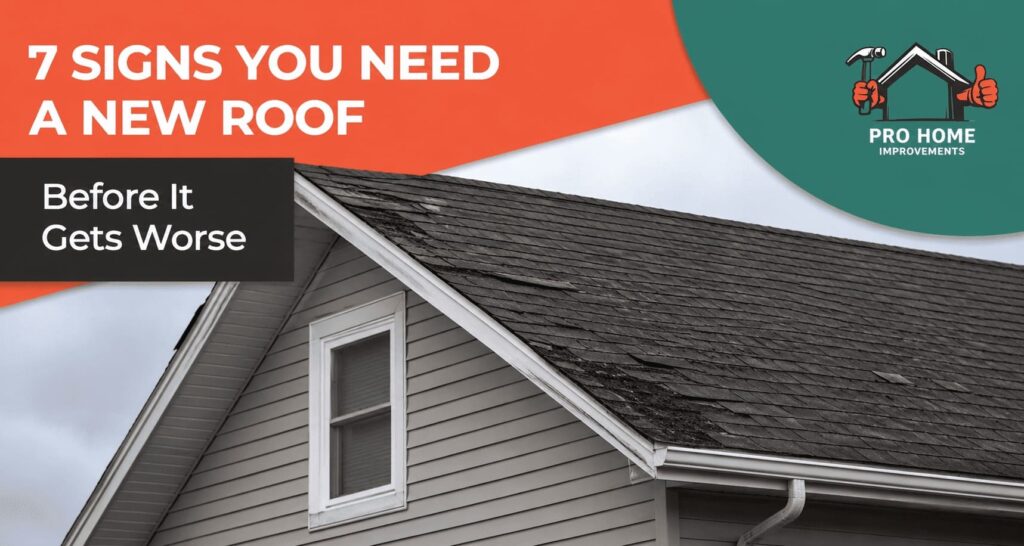
7 Signs You Need a New Roof Before It Gets Worse
Andrew Ross
June 4, 2026
7 Signs You Need a New Roof Before It Gets Worse
Your roof protects your home from rain, storms, heat, and structural damage. But like every part of a house, roofs eventually wear out over time.
Ignoring roofing problems can lead to:
- water damage
- mold growth
- higher energy bills
- expensive structural repairs
Knowing the signs you need a new roof can help you act early and save thousands of dollars.
In this guide, we’ll cover the most common warning signs homeowners should never ignore.
1. Missing or Damaged Shingles
One of the most obvious roofing problems is missing shingles.
Shingles can become damaged because of:
- strong winds
- storms
- hail
- aging
- poor installation
You may notice:
- cracked shingles
- curling edges
- bald spots
- loose shingles in your yard
Damaged shingles expose your roof to moisture and leaks.
2. Roof Leaks or Water Stains
Water stains on ceilings or walls usually indicate roofing issues.
Signs of leaks include:
- brown ceiling spots
- mold growth
- attic moisture
- peeling paint
- dripping water
Even small leaks can lead to severe structural damage over time.
Homeowners should schedule a professional roof inspection immediately after noticing water damage.
3. Your Roof Is More Than 20 Years Old
Most asphalt shingle roofs last around:
- 20–30 years
Metal roofs can last:
- 40–70 years
If your roof is approaching the end of its lifespan, replacement may be more cost-effective than constant repairs.
Older roofs are also less energy efficient and more vulnerable to storms.
4. Sagging Roof Areas
A sagging roof is a serious warning sign.
It may indicate:
- trapped moisture
- structural weakening
- rotting decking
- foundation stress
If you notice dips or uneven areas in your roofline, contact a roofing contractor immediately.
This issue should never be ignored because it can eventually lead to roof collapse.
5. Moss, Mold, or Algae Growth
Moss and algae thrive in damp conditions and may trap moisture against your roof.
This can:
- weaken shingles
- increase decay
- shorten roof lifespan
Dark streaks and green patches are signs your roof may need professional attention.
Regular roof maintenance can help prevent these issues.
6. Increasing Energy Bills
An aging roof may affect your home’s insulation and ventilation.
Poor roofing performance can cause:
- heat loss during winter
- excess heat during summer
- higher HVAC usage
If your energy bills are rising unexpectedly, your roof may be contributing to the problem.
Energy-efficient roofing materials can help improve indoor comfort and reduce utility costs.
7. Storm or Hail Damage
Storms can seriously damage roofing systems.
Common storm damage includes:
- lifted shingles
- cracked flashing
- hail dents
- water penetration
After severe weather, homeowners should inspect their roof or hire a roofing professional.
Insurance may cover storm-related roof replacement in some cases.
Should You Repair or Replace Your Roof?
Minor issues may only require repairs.
However, replacement is often better when:
- damage is widespread
- leaks are recurring
- roof age is high
- structural issues exist
Replacing your roof early may prevent more expensive home repairs later.
How to Choose the Right Roofing Contractor
Before hiring a contractor, homeowners should:
- compare estimates
- verify licenses
- check insurance coverage
- read online reviews
- ask about warranties
Avoid roofing scams after storms or emergencies.
A trusted roofing company should provide a written estimate and detailed inspection report.
Frequently Asked Questions
How often should a roof be inspected?
Most homeowners should schedule a roof inspection once every year and after major storms.
Can missing shingles cause leaks?
Yes. Missing shingles expose your roof to moisture and increase leak risk.
Is roof replacement covered by insurance?
Storm damage is often covered, but normal aging usually is not.
What happens if I delay roof replacement?
Delaying replacement can lead to:
- structural damage
- mold growth
- insulation problems
- higher repair costs
Final Thoughts
Understanding the signs you need a new roof helps homeowners protect their property and avoid expensive emergencies.
If your roof is aging or showing visible damage, scheduling a professional inspection early can save money and prevent larger issues later.
Latest Blogs
Get a Quote Today for Your new project!
Request Your Free Home Improvement Quotes Today
Tell us about your project and get connected with professionals ready to help.